How Guided Nature Trips Can Support Protected Places

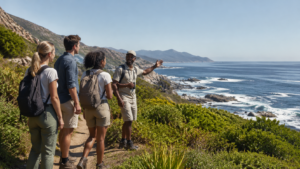
Guided nature trips can support protected places when visitor numbers, routes, and local benefits are managed carefully. A knowledgeable guide helps travelers notice wildlife and geology without approaching too closely. Fees and employment can strengthen conservation, but only if the destination retains control over how tourism grows.
Protected areas face a difficult balance. Visitors create public support and income, yet crowds can erode trails, disturb breeding animals, increase waste, and overwhelm small communities. Reservation systems, seasonal closures, and group-size limits help managers keep use within conditions the landscape can tolerate.
Local guides bring more than navigation. They explain customs, identify subtle environmental changes, and respond when weather shifts. Training in first aid, conservation rules, and interpretation improves safety. Fair contracts ensure that guides receive a meaningful share of revenue rather than only occasional tips.
Community participation should begin before a tour is marketed. Residents can identify sacred sites, private land, water limits, and acceptable seasons. Locally owned lodging, food, and transport keep spending nearby. Transparent decisions reduce conflict and help tourism complement existing livelihoods instead of replacing them.
Online booking can spread visits across available times, while trail counters and wildlife monitoring reveal pressure. Maps should guide people to durable routes without exposing sensitive nesting areas. Digital tools are useful, but signs, ranger presence, and face-to-face orientation remain essential in places with limited connectivity.
The language of ecotourism is easy to misuse. A small group is not automatically sustainable if it flies long distances, ignores local rules, or visits a fragile site repeatedly. Operators should publish specific practices, avoid guaranteed wildlife encounters, and contribute to measurable conservation work.
Responsible nature travel asks visitors to accept limits in exchange for a deeper experience. The best trips move at the pace of the place, respect local authority, and leave funds for protection. When those conditions are real, tourism can turn appreciation into practical support for landscapes and communities.
For organizations interested in responsible nature tourism, the most useful first step is a focused pilot with clear goals. Feedback from participants and transparent results make it easier to improve the work before expanding it. A measured approach also helps communities direct limited time and funding toward methods that produce durable public value. Evaluation should include staff experience, maintenance demands, accessibility, and long-term operating costs, not only early performance figures. Those measures show whether an appealing idea continues to solve a real problem after the attention surrounding its launch has faded.