Regional Logistics Hubs Are Rethinking Last-Mile Delivery
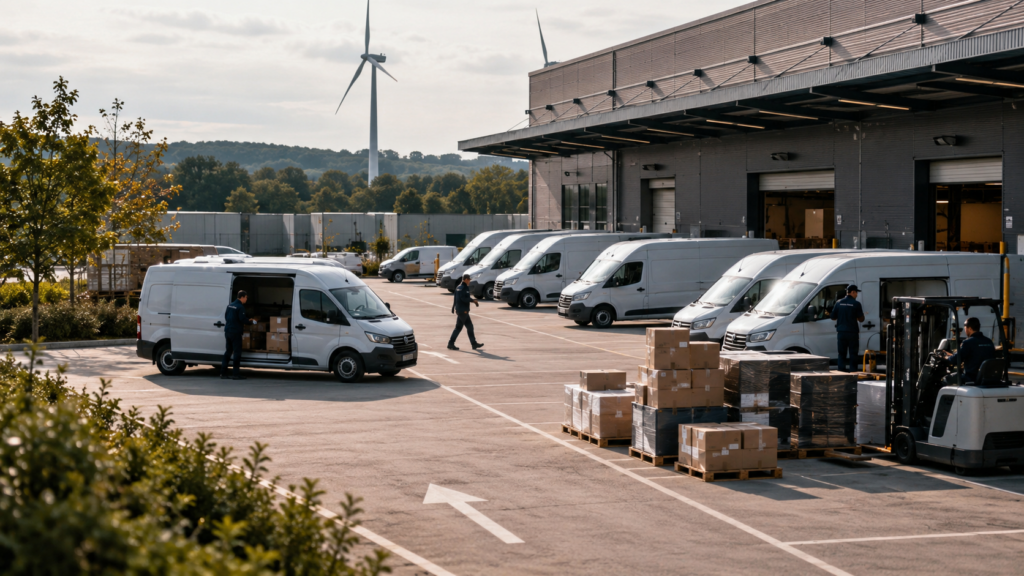
Regional logistics hubs are changing how parcels complete the final part of their journey. Instead of sending every large truck into crowded neighborhoods, operators consolidate goods at smaller facilities near customers. Electric vans, cargo bicycles, and coordinated pickup points then handle routes with less noise and wasted distance.
Last-mile delivery is expensive because each route contains many individual stops. Traffic, parking, failed deliveries, and tight time windows add uncertainty. A well-placed hub lets carriers sort packages closer to demand and combine shipments from different warehouses before vehicles enter the busiest streets.
Managers use delivery data to understand daily patterns, but local knowledge remains essential. Drivers know which entrances are difficult, when schools create congestion, and where a bicycle can travel more efficiently than a van. Flexible schedules can shift nonurgent deliveries away from peak commuting hours.
Cities benefit when cleaner vehicles reduce emissions and blocked sidewalks, yet hubs also affect nearby residents. Facilities need safe loading areas, reasonable operating hours, and fair labor standards. Community consultation helps prevent a sustainability project from simply moving noise and traffic from one neighborhood to another.
Route-planning software groups stops and responds to new orders. Parcel lockers reduce repeated attempts, while electric fleet systems coordinate charging. Operators are testing reusable packaging and sensors that protect temperature-sensitive goods. Each tool needs reliable maintenance and a clear plan for data privacy.
The business model is difficult when carriers refuse to share space or information. Land near cities is costly, and electric vehicles require charging capacity. Public rules can encourage cooperation through designated loading zones, low-emission areas, and neutral hubs available to multiple companies.
No single delivery method fits every district. Dense centers may favor cargo bicycles, suburbs may need vans, and rural routes require different solutions. Regional hubs matter because they make this mix possible, replacing one long route with a coordinated network designed around local conditions.
For organizations interested in sustainable logistics, the most useful first step is a focused pilot with clear goals. Feedback from participants and transparent results make it easier to improve the work before expanding it. A measured approach also helps communities direct limited time and funding toward methods that produce durable public value. Evaluation should include staff experience, maintenance demands, accessibility, and long-term operating costs, not only early performance figures. Those measures show whether an appealing idea continues to solve a real problem after the attention surrounding its launch has faded.