Sleep Research Is Moving Beyond Counting Hours

Sleep research is moving beyond the simple question of how many hours a person spends in bed. Scientists now study timing, regularity, breathing, movement, light exposure, and the quality of different sleep stages. The broader picture helps explain why two people with similar schedules may feel very different.
Sleep supports memory, metabolism, immune function, mood, and cardiovascular health. Needs vary with age and individual circumstances, but regular patterns matter. A long weekend sleep may reduce fatigue temporarily without fully correcting repeated short or disrupted nights during the working week.
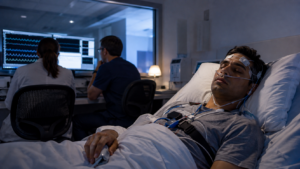
Laboratories measure brain activity, eye movement, muscle tone, breathing, oxygen, and heart rhythm. Participants may spend a night connected to noninvasive sensors while technicians monitor signals. Home studies provide a more natural setting, although they collect less detail and depend on correct equipment use.
Researchers are paying more attention to shift workers, caregivers, adolescents, and communities affected by noise or unstable housing. Sleep advice cannot succeed if a person lacks control over work hours or environment. Public health approaches therefore include scheduling, transport, housing, and urban noise alongside individual habits.
Wearable devices make long-term patterns easier to observe, but consumer estimates are not identical to medical tests. Their greatest value may be showing consistency and behavior over time. People should avoid treating a single score as a diagnosis, especially when symptoms such as severe sleepiness or breathing pauses persist.
Sleep science is vulnerable to exaggerated claims. Products often promise perfect rest from limited evidence, and anxiety about tracking can itself interfere with sleep. Researchers need diverse study groups, transparent methods, and outcomes that reflect daily functioning rather than only one laboratory measurement.
The practical message remains balanced: regular schedules, morning light, physical activity, and a quiet dark environment help many people. Persistent problems deserve professional evaluation. By studying sleep as a biological and social process, science can offer guidance that is more realistic than simply telling everyone to spend longer in bed.
For organizations interested in sleep health, the most useful first step is a focused pilot with clear goals. Feedback from participants and transparent results make it easier to improve the work before expanding it. A measured approach also helps communities direct limited time and funding toward methods that produce durable public value. Evaluation should include staff experience, maintenance demands, accessibility, and long-term operating costs, not only early performance figures. Those measures show whether an appealing idea continues to solve a real problem after the attention surrounding its launch has faded.