Why Service Robots Are Moving Into Everyday Workplaces
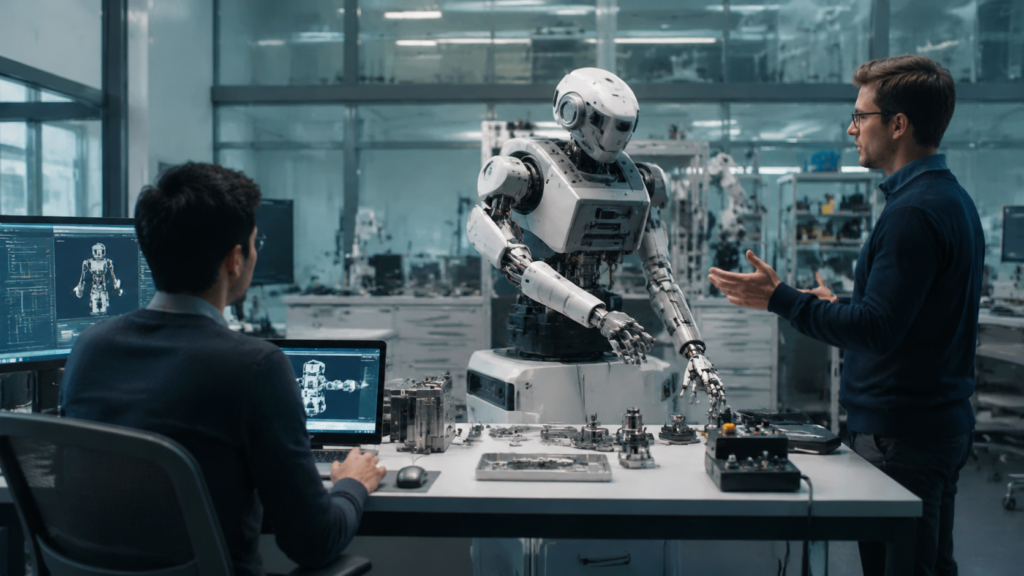
Service robots are beginning to appear outside factories, assisting in laboratories, warehouses, hospitals, hotels, and public buildings. Their arrival is less dramatic than science fiction suggests. Most machines perform narrow, repetitive tasks, while human workers supervise decisions that require judgment, empathy, improvisation, or responsibility.
Falling sensor costs and better computer vision have made mobile machines more practical. A robot can map corridors, avoid people, carry supplies, or inspect equipment without following a fixed rail. Cloud software lets operators update routes and review performance, while improved batteries support longer shifts between charges.
Successful deployments start with a specific problem. A hospital may use a robot to move linens at night, freeing staff for patient care. A laboratory can automate routine sample transport. Managers study the workflow first, redesign crowded spaces, and define when the machine must stop and request human help.
Workers often worry that automation will remove jobs, but outcomes depend on how an organization introduces it. Training employees as operators and maintenance specialists can create new roles. Consultation also reveals practical details engineers miss, such as door timing, elevator etiquette, or the need to protect quiet areas.
Modern systems combine depth cameras, lidar, microphones, and safety bumpers. Artificial intelligence helps recognize objects and predict movement, but rules and physical limits remain essential. Reliable robots are designed to fail safely, record incidents, and allow a person to take control without navigating a complex menu.
The hardest questions involve accountability, privacy, and cost. Cameras may capture sensitive scenes, software subscriptions can outlast the hardware, and a breakdown can interrupt essential work. Buyers need clear data policies, repair plans, cybersecurity updates, and realistic measurements of time saved rather than promotional demonstrations.
Service robots will probably spread through gradual, ordinary improvements rather than a sudden revolution. The most useful machines will be those that fit quietly into existing teams and make difficult work safer. Their success should be measured by better service and working conditions, not by the number of people removed.
For organizations interested in workplace robotics, the most useful first step is a focused pilot with clear goals. Feedback from participants and transparent results make it easier to improve the work before expanding it. A measured approach also helps communities direct limited time and funding toward methods that produce durable public value.
Practical evaluation should also include worker feedback, maintenance time, energy use, and accessibility. These measures reveal whether a promising system improves daily operations after the novelty of its first demonstration has faded.