Home Batteries Are Becoming Part of the Energy Conversation
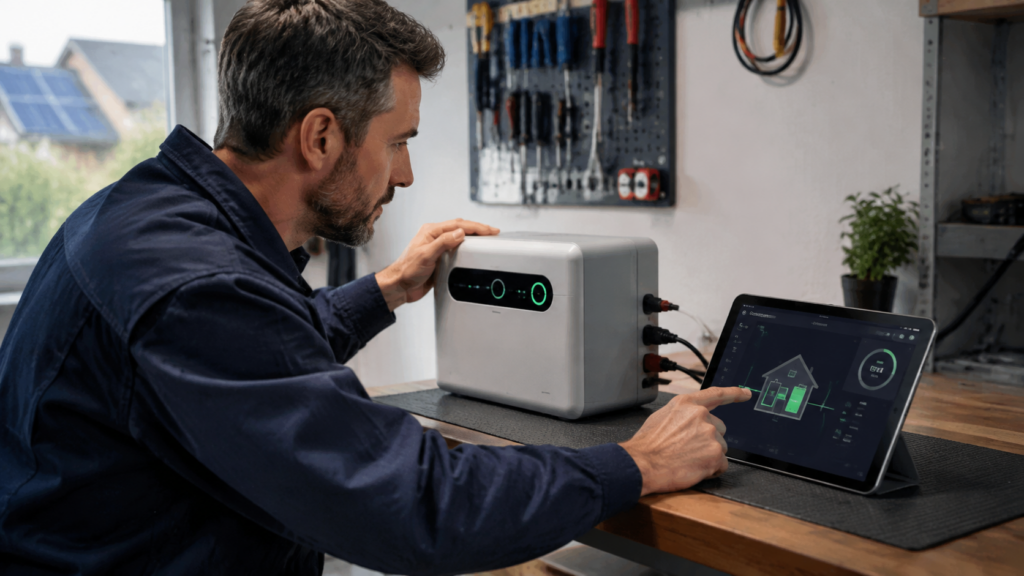
Home batteries are moving from a specialist product into mainstream energy planning. Households use them to store rooftop solar power, avoid expensive evening electricity, or keep essential devices running during an outage. Interest is growing as utilities modernize grids and extreme weather tests local reliability.
A battery does not create electricity; it changes when energy is available. During a sunny afternoon, solar panels may produce more than a home needs. Storage saves part of that surplus for cooking, heating, or charging later. Without solar, a system can sometimes charge when grid prices are low.
Installers begin by reviewing consumption patterns, electrical panels, local rules, and backup priorities. A small unit may support lights, refrigeration, and communication, while whole-home backup requires greater capacity. Good designs separate essential circuits and explain how long stored power will last under different loads.
The technology can give households more control, but benefits are uneven. Upfront costs remain high, renters usually cannot install equipment, and incentives vary. Community batteries and shared solar projects offer another model, allowing several homes or a public facility to benefit from storage without purchasing individual systems.
Modern units use battery management software to monitor temperature, charge levels, and grid conditions. Smart inverters coordinate solar panels, storage, and household demand. Owners can see performance in an app, although useful systems must also operate safely when internet service is unavailable.
Safety, recycling, and honest expectations are central. Equipment needs professional installation, ventilation, approved protection, and current firmware. Batteries lose capacity over time, and warranties differ in how they count cycles. Buyers should compare usable energy, power output, repair support, and end-of-life collection rather than capacity alone.
Home storage will not replace transmission lines or large power plants, but many coordinated batteries can reduce pressure during peak demand. As prices fall and standards improve, storage may become a routine part of renovation. Its value will depend on thoughtful design, consumer protection, and a cleaner grid.
For organizations interested in home energy storage, the most useful first step is a focused pilot with clear goals. Feedback from participants and transparent results make it easier to improve the work before expanding it. A measured approach also helps communities direct limited time and funding toward methods that produce durable public value. Evaluation should include staff experience, maintenance demands, accessibility, and long-term operating costs, not only early performance figures. Those measures show whether an appealing idea continues to solve a real problem after the attention surrounding its launch has faded.