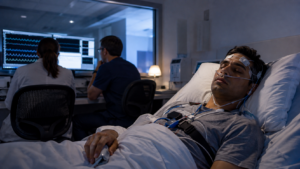
Community Screening Programs Are Expanding Preventive Care
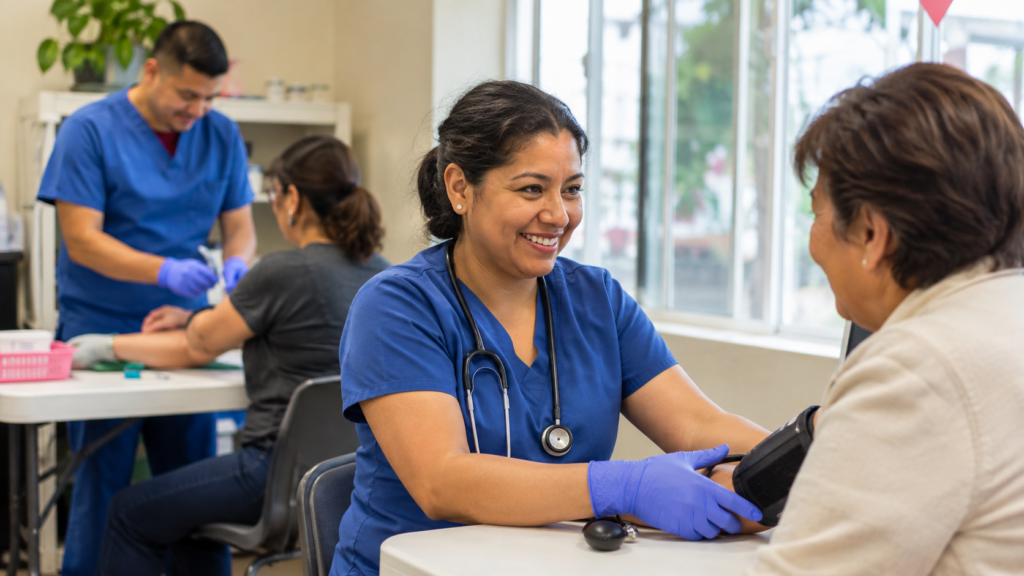
Community screening programs are bringing basic preventive care closer to people who rarely visit a clinic. Temporary sites in libraries, schools, markets, and neighborhood centers may offer blood pressure checks, diabetes risk assessments, vaccination information, or referrals. The goal is earlier attention, not a complete diagnosis outside medical care.
Many chronic conditions develop quietly. A person can feel well while blood pressure or blood sugar remains elevated for years. Convenient screening identifies risk and creates an opportunity to discuss habits, family history, and follow-up. Programs are most useful when they connect directly with affordable treatment.
Teams plan services according to local health data and community advice. Nurses and trained workers use standardized equipment, explain consent, and provide results privately. Clear thresholds determine when someone should book a routine appointment or seek urgent evaluation. Records are handled under the same confidentiality principles as a clinic.
Trust often determines participation. Residents may be more comfortable with health workers who speak their language and understand local concerns. Partnerships with faith groups, employers, and community organizations can reduce fear, but organizers must avoid pressure and explain that screening is voluntary.
Portable devices make testing faster, while secure referral systems help clinics receive results. Text reminders can improve follow-up, provided people agree to be contacted. Technology should support conversation rather than replace it, especially when a result is unexpected or difficult to understand.
Screening can cause harm if programs produce false reassurance, unnecessary alarm, or no path to care. Quality control, staff training, and evidence-based test selection are essential. Organizers also need to measure whether participants actually receive follow-up, not simply count how many people passed through an event.
Preventive care works best as a continuous relationship, but community programs can open the door. They reveal unmet needs, reduce practical barriers, and introduce residents to trusted services. Their success should be judged by better long-term care and health outcomes rather than the visibility of a single campaign.
For organizations interested in preventive health screening, the most useful first step is a focused pilot with clear goals. Feedback from participants and transparent results make it easier to improve the work before expanding it. A measured approach also helps communities direct limited time and funding toward methods that produce durable public value. Evaluation should include staff experience, maintenance demands, accessibility, and long-term operating costs, not only early performance figures. Those measures show whether an appealing idea continues to solve a real problem after the attention surrounding its launch has faded.